Great Lakes Tack - Horse and Rider, saddleseat, show apparel, consignments in Michigan
  • Home
    • Contact Us
    • About Us
    • Happy Customers
    • Returns & Exchanges
    • Consignments
    • Services
    • HorseTraxx Sale Horses
    • Size Charts
      • Horze Size charts
      • TuffRider Size Charts
      • PNC | Reed Hill Saddleseat Size Charts
      • Measurement Forms
    • Shipping
    • Privacy Policy
  • Shop All GLT
  • InGait -
  • Pacific Northwest Tack Home
  • Blog - How to Save on Horse Stuff!
    • Not Tacky Blog
  • Home
    • Contact Us
    • About Us
    • Happy Customers
    • Returns & Exchanges
    • Consignments
    • Services
    • HorseTraxx Sale Horses
    • Size Charts
      • Horze Size charts
      • TuffRider Size Charts
      • PNC | Reed Hill Saddleseat Size Charts
      • Measurement Forms
    • Shipping
    • Privacy Policy
  • Shop All GLT
  • InGait -
  • Pacific Northwest Tack Home
  • Blog - How to Save on Horse Stuff!
    • Not Tacky Blog
Search

Not Tacky Blog

Girthy Horse?

4/30/2017

4 Comments

 
Picture
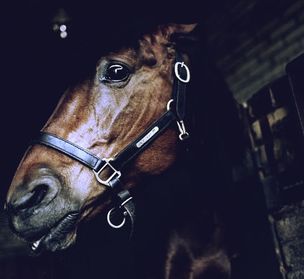
I recently was surfing the net to see if anyone else had come up with some suggestions for their grumpy, girthy horses.  I came across this excellent article Top 3 Reasons your horse is girthy and what to do ... and wanted to share.  Below is an excerpt...  

Here are the top three reasons horses develop girthiness. With the help of your vet and a knowledgeable trainer, you can use the process of elimination to determine which issue is causing your horse to be girthy – the first step in fixing it.
1. Your Horse May Be Girthy Because His Tack Doesn’t Fit
  • Positioned correctly – Many saddles are placed too far forward where they restrict the shoulder’s movement.
  • Fitted correctly – The saddle should be balanced from front to back, shouldn’t be too narrow or too wide, and the tree should sit evenly along your horse’s back (no “bridging” or tighter and looser areas that can pinch or rub).
  • In good condition – Unseen damage, such as a twisted or broken tree, could be causing your horse discomfort and thus his resistance to being girthed. The flocking and underside of the saddle should be totally smooth.

2. Equine Girthiness May Be a Reflection of Discomfort in the Hindgut
...The hindgut in particular is massive, filling up the greater portion of the belly. It extends the length of your horse’s underside all the way up into the girth area.

3. Girthiness Caused By A Previous Trauma
Horses have long memories, especially when there is pain involved. If you horse was mishandled or experienced an injury at any point in his life, his adverse reaction to the girth may be an ongoing result. Here are some types of trauma that may be causing your horse to act girthy.
  • Poor training – Someone may have tried to teach your horse to accept and saddle and girth too quickly when he was young. Instead of going one step at a time and allowing your horse to get used to the girth gradually, they may have tightened it right away scaring him and causing discomfort.
  • Remembered pain – A girth that was too tight or rubbed, an improperly fitting saddle, an injury, or a digestive problem that caused pain could still be in the forefront of your horse’s memory. If he remembers that a girth hurt once, he may be afraid it will hurt again.

I also realized, we have a few good tricks of our own to add:
  1. Have you tried different places to saddle your horse? For example, could you tie the horse in her stall? The comfort of her stall may be soothing, but also giving her some security so she doesn't pull or rear or circle. We recently had a mare that had always been saddled and groomed in a grooming stall with three walls around her. When we sent her home and they tried to saddle or groom her at a hitch or standing in an open area she pulled backward every time. After breaking three brand new halters, and a few Chiropractor/Massage bills she went to a new owner and hasn't pulled since as along as she is in her stall or the groom bay.
  2. Which leads to my next question, has she had her teeth, spine and soft tissue checked and worked on? Making her physically comfortable to start with will go a long way - along with trying something to ease ulcers, hindgut pain, pro or prebiotics or both!
  3. Will she wear a sheet or a blanket? We have had some really good success with two of our 'girthy' horses by putting a Back on Track Mesh sheet and Poll Cap on them for 15-30 mins before we are going to saddle them - after having a few sessions of body work done on them to get them to a more comfortable starting point. The BOT products help to warm up muscles and soft tissues and seem to relax the horse and because we follow this routine, they know what is coming next. We follow up with a Back on Track pad or liner under the saddle. We swear by BOT products because we have seen amazing results!
  4. You should also be able to have your tack fit checked by a reputable saddle fitter or even your body work specialist (chiropractor/massage). Smith-Worthington has GREAT resources for assisting with saddle fit and they will adjust English saddles of all types.
  5. When looking at your tack fit, don't forget to look at your girth! I have one horse that improved his girthiness just by switching to a fleece lined girth rather than leather. I would highly recommend making sure the horse(s) are comfortable both inside and out, then start with a routine and take it very slow.
​I'd love to hear from you if you find any other solutions - feel free to look me up on Facebook/Google+ or leave a comment!


4 Comments

How do you treat your horse?

10/26/2015

4 Comments

 
Picture
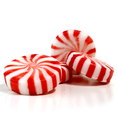
Halloween is coming fast - and with it lots of treats!  We know you love to treat your horses so do we! So in honor of more treats - less tricks - or maybe more treats in exchange for your horse learning some new tricks here is our top 10 Treat Favorites (for the horses) : 

1. Starlight Peppermints
2. Apples
3. Carrots
4. Orange Pop
5. Applesauce
6. Cracklin Oat Bran Cereal
7. Dumors
8. Nickerbits
9. Warm Bran Mash
10. Sugar Cubes

Is it safe to feed?  Here is a fairly comprehensive list borrowed from www.myhorse.com of some dos and don'ts when it comes to treats:
Horse owners often ask equine nutritionist Dr. Juliet Getty about the safety of offering common—and sometimes not so common—foods as treats. Carrots have naturally come up in discussion, but also French fries, garlic bread, and even chocolate. What’s safe and what’s not, and under what circumstances, may surprise anyone who has ever extended a chunk of apple to an eager horse.
Dr. Getty points out that some treats are generally safe, some treats are sometimes safe, and some are never, ever good for horses. As she points out, “Horses trust humans for their care. Choose wisely.”
Safe to feed, generally:
  • Apples
  • Apricots (without the pit)
  • Bananas (including the peel)
  • Beets
  • Berries
  • Carrots
  • Celery
  • Cherries
  • Coconut
  • Dates (pitted)
  • Grapes (and raisins)
  • Grapefruit
  • Lettuce
  • Lemons
  • Limes
  • Mango
  • Melons
  • Oranges
  • Peaches
  • Pears
  • Peanuts (roasted, never raw)
  • Pineapple
  • Plums
  • Squash
  • Sweet potatoes
  • Tangerines
  • Watermelon (including the rind)
Avoid these foods for ALL horses, always:
Chocolate. Like dogs, horses are sensitive to the toxic chemical theobromine found in chocolate.
Milk and milk products: Do not feed ice cream, cheese, and even yogurt. Grown horses are lactose intolerant. As Dr. Getty cautions, “Your horse will get diarrhea, and,” she adds with a twinkle, “he will not like you.”
Other potentially toxic fruits and vegetables include:
  • Broccoli
  • Cauliflower
  • Cabbage
  • Tomatoes
  • Peppers
  • Raw potatoes
  • Onions
  • Garlic (raw)
  • Spinach
  • Avocados
Special Circumstances — Choices for horses with insulin resistance, Cushing’s or risk of laminitis: Starch and sugar are out of the question for some horses. Fat deposits along the crest of the neck, rump, shoulders, or back, indicate insulin resistance. Starchy or sugary treats will raise insulin to dangerous levels, increasing laminitis risk. Horses with Cushing’s disease also require a low starch/low sugar diet.
For Horses with Sugar Issues, Avoid these:
  • Apples
  • Bread
  • Candy
  • Carrots
  • Cooked Potatoes
  • Commercial treats made with cereal grains (oats, corn, barley, rice, wheat) and molasses
Better low sugar/low starch choices:
  • Alfalfa cubes or pellets (surprisingly low in sugar)
  • Apple peels
  • Watermelon rinds
  • Commercial products that are low in starch/sugar


4 Comments

    Author

    We are passionate horse people with a strong desire to create a fun atmosphere for our customers. Visit our How to Save Blog for more great articles

    Archives

    September 2018
    April 2017
    October 2015

    Categories

    All
    Feed
    Horse Care
    Horse Shows
    Treats

    RSS Feed

Pickups can be arranged at:  Sunny Ridge Stables - 889 19 Mile Rd., Cedar Springs, MI 49319
Please contact us for appointments or store hours.  Text preferred. 
616-215-0915
ALL RIGHTS RESERVED


Policies and Official Information
Contact Us
Consignment Forms
Size Charts
Measurements
Shipping Information
International Help
Financing Options
Payment Options
Returns & Exchanges

Order information
About Great Lakes Tack
Our Story
100% Guarantee
Visit our App: HorseTraxx​
Frequent Buyer Program
Sponsorships
Privacy & Security
Terms Of Use
Helpful Information
_More Ways to Shop
Gift Certificates
Retail Store
Customer Reviews
Wholesale
Awards
Find a Wish List
Site Map
Download Order Form

Our Suppliers and Brands 
Reed Hill
Paul Newmarch (PNC)
Horze 
  Back on Track
​  FinnTack
​  Equinavia
AWST Intl.
The Finishing Touch of KY
2Ride Again


Schneider's
Congress Leather
Jack's Manufacturing
Kelley Equestrian
GT Reid
Red Barn Ranch
Showman, Double T, etc. 
JT International | Tough 1
Cowboy Magic


JPC Equestrian
  • TuffRider
  • Henri de Rivel
  • Equine Couture
  • Jaipur Polo Company
  • Carr & Day & Martin
Smoky Mountain Boots
Smith-Worthington

Copyright 2014 - GREAT LAKES TACK, LLC.
Proudly powered by Weebly
  • Home
    • Contact Us
    • About Us
    • Happy Customers
    • Returns & Exchanges
    • Consignments
    • Services
    • HorseTraxx Sale Horses
    • Size Charts
      • Horze Size charts
      • TuffRider Size Charts
      • PNC | Reed Hill Saddleseat Size Charts
      • Measurement Forms
    • Shipping
    • Privacy Policy
  • Shop All GLT
  • InGait -
  • Pacific Northwest Tack Home
  • Blog - How to Save on Horse Stuff!
    • Not Tacky Blog